What Is Depleted Mother Syndrome in Single Moms?
Being a single mom comes with love, strength, and courage—but it can also come with exhaustion that feels impossible to shake. Many single mothers describe feeling “empty,” “burned out,” or like they’re running on fumes. This experience is sometimes called depleted mother syndrome.
But what exactly does it mean? How do you know if you’re dealing with it? And most importantly, how can you recover and feel like yourself again?
Let’s break it down
Understanding Depleted Mother Syndrome
Depleted mother syndrome is not a medical diagnosis—it’s a way to describe what happens when moms become physically, mentally, and emotionally drained from the demands of parenting without enough support or recovery time.
For single moms, this can be especially intense. You’re often juggling:
Work and finances
Household responsibilities
Parenting full-time
Emotional stress from carrying it all alone
Over time, the constant stress and lack of rest can lead to parental burnout, where you feel like you have nothing left to give.

Every mom can struggle with burnout, but single moms are more vulnerable to depleted mother syndrome. Why?
1. No Built-In Backup
In two-parent households, there’s at least the possibility of trading off responsibilities. As a single mom, you may have little or no relief.
2. Financial Pressure
Managing bills, groceries, childcare, and unexpected expenses often falls 100% on you. That financial stress adds a heavy mental load.
3. Emotional Isolation
Without a partner to lean on, feelings of loneliness or resentment can build. This isolation makes stress even harder to manage.
4. Societal Pressure
There’s still stigma around single motherhood. Many single moms feel judged, criticized, or overlooked. Carrying that invisible weight can deepen the sense of depletion.
Symptoms of Depleted Mother Syndrome in Single Moms
So how do you know if you’re experiencing depleted mother syndrome? Here are the most common signs:
Emotional Symptoms
Constant irritability or anger
Feeling numb or detached from your kids
Crying more than usual
Guilt about not being a “good enough” mom
Physical Symptoms
Chronic fatigue, even after sleeping
Headaches or body aches
Trouble sleeping (or oversleeping)
Weakened immune system, getting sick more often
Mental Symptoms
Forgetfulness or brain fog
Lack of motivation
Feeling trapped or hopeless
Difficulty focusing at work or home
If you see yourself in these symptoms, you’re not alone. Thousands of single moms experience the same thing—it doesn’t mean you’re failing, it means you’re human.
The Difference Between Stress and Burnout
It’s normal to feel stressed as a single mom. But depleted mother syndrome goes beyond everyday stress.
Stress = You still have energy, but you’re overwhelmed.
Burnout (depletion) = You’re empty. Even simple tasks feel impossible.
Recognizing the difference is important, because recovery requires more than just “pushing through.”
How Depleted Mother Syndrome Impacts Children
Many single moms worry: “If I’m depleted, am I hurting my kids?”
Here’s the truth: children are resilient, but they do notice when their parent is exhausted or emotionally withdrawn. Some possible effects include:
Kids becoming more anxious or clingy
Acting out to get attention
Struggling with their own stress management
But here’s the hopeful part—when moms take steps to heal, kids benefit too. Modeling healthy coping teaches children that it’s okay to care for yourself.
How to Recover from Depleted Mother Syndrome
Healing from depletion is possible. It won’t happen overnight, but small consistent steps can restore your energy and sense of self.
1. Start With Rest (Even in Small Doses)
You may not be able to take a week off, but can you carve out 15 minutes of true rest each day? That could be a short nap, meditation, or simply sitting in silence.
2. Ask for Help Without Guilt
This could mean reaching out to a friend, family member, or community program. Remember: needing help doesn’t make you weak—it makes you human.
3. Simplify Where You Can
Order groceries online instead of shopping in person
Prep easy meals instead of complex recipes
Let go of tasks that don’t truly matter
Small adjustments reduce overwhelm.
4. Reconnect With Yourself
Burnout often makes moms feel like they’ve lost their identity outside of parenting. Try activities that remind you who you are—reading, journaling, listening to music, or walking in nature.
5. Practice Saying “No”
Every “yes” to something that drains you is a “no” to your well-being. Protecting your time and energy is an act of self-care.
6. Find Emotional Outlets
Talking to a therapist, joining a support group, or listening to mental health resources can lighten the load. Processing your feelings keeps them from building into resentment or rage.
Practical Coping Strategies for Single Moms

Here are a few tools you can start using right away:
Daily Check-Ins → Ask yourself, “How am I really feeling today?” Acknowledge your emotions.
Set Micro-Goals → Instead of cleaning the whole house, just fold one load of laundry. Celebrate progress.
Build a Support Network → Even one other mom who “gets it” can make a difference.
Mind-Body Practices → Deep breathing, stretching, or short guided meditations can quickly reset your nervous system.
When to Seek Professional Help
Sometimes depletion turns into something more serious, like depression or anxiety. Seek professional help if you notice:
Thoughts of hopelessness or worthlessness
Intense anger or rage you can’t control
Feeling disconnected from your children
Constant exhaustion that doesn’t improve with rest
Reaching out for help is not weakness—it’s strength.
Final Thoughts: You Deserve Healing
Depleted mother syndrome in single moms is real. It’s not laziness. It’s not failure. It’s the natural result of giving too much without enough support or rest.
If you see yourself in these symptoms, know this: you are not broken. You are carrying a load no one was meant to carry alone. And there are ways to heal.
Gentle Next Step
If you’re ready to take small, guided steps toward healing, I’d love to share something that’s been created with moms like you in mind.
The Mom Therapy Audio Course was designed to help moms dealing with exhaustion, anxiety, and depression. It’s easy to listen to, fits into a busy schedule, and gives you tools to start feeling like yourself again.
👉 You deserve rest. You deserve peace. And you don’t have to do this alone.
Gentle Next Step
If you’re ready to take small, guided steps toward healing, I’d love to share something that’s been created with moms like you in mind.
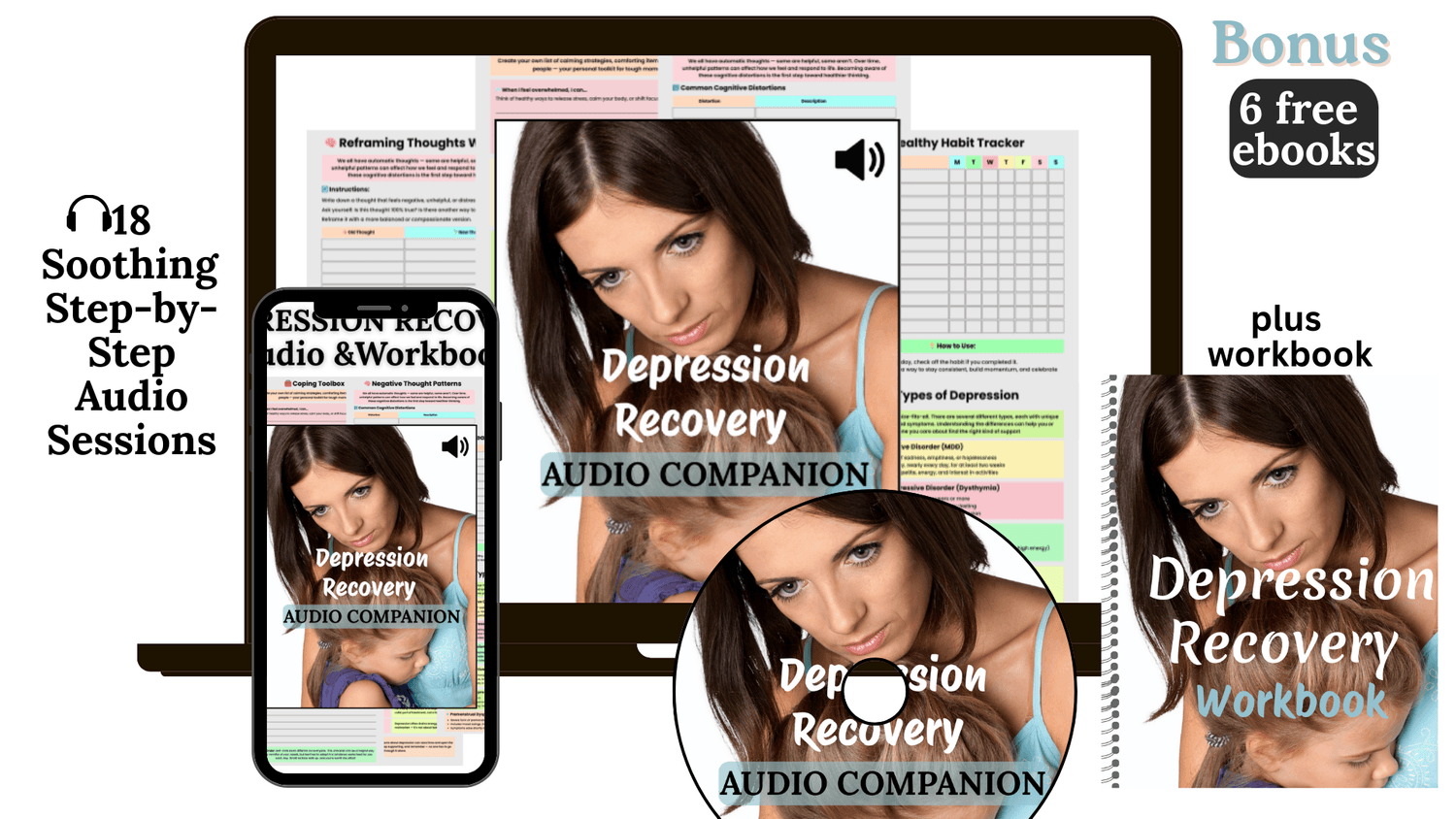
The Mom Therapy Audio Course was designed to help moms dealing with exhaustion, anxiety, and depression. It’s easy to listen to, fits into a busy schedule, and gives you tools to start feeling like yourself again.
👉 You deserve rest. You deserve peace. And you don’t have to do this alone.
Other helpful resources
when you're ready to get back out there

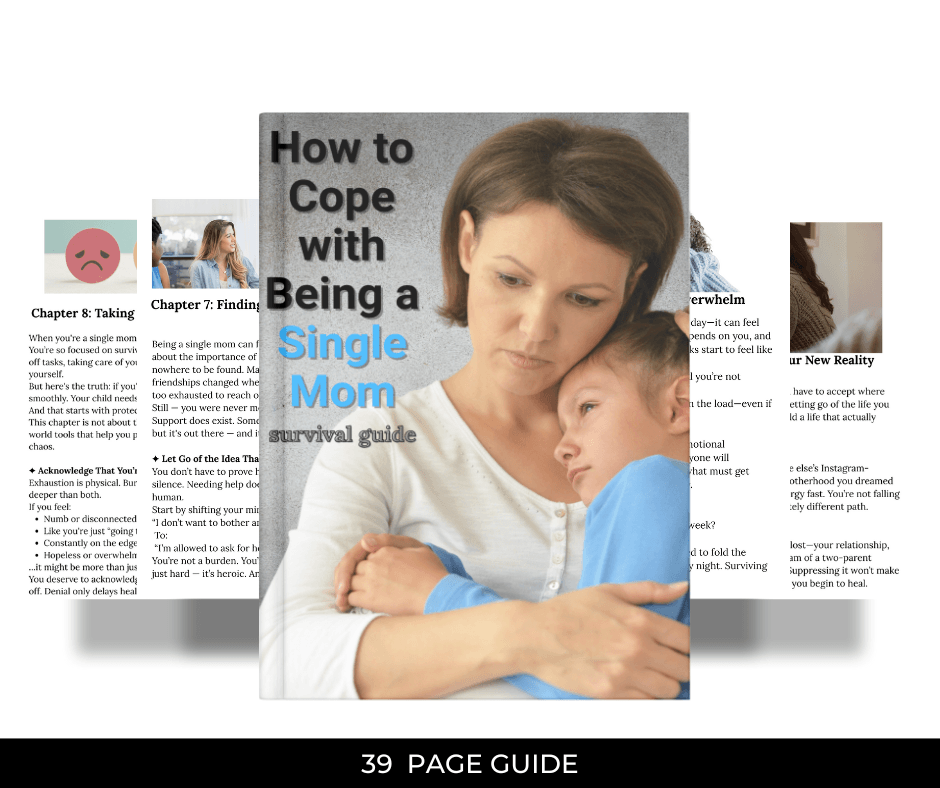
learn how to cope with being a single mom
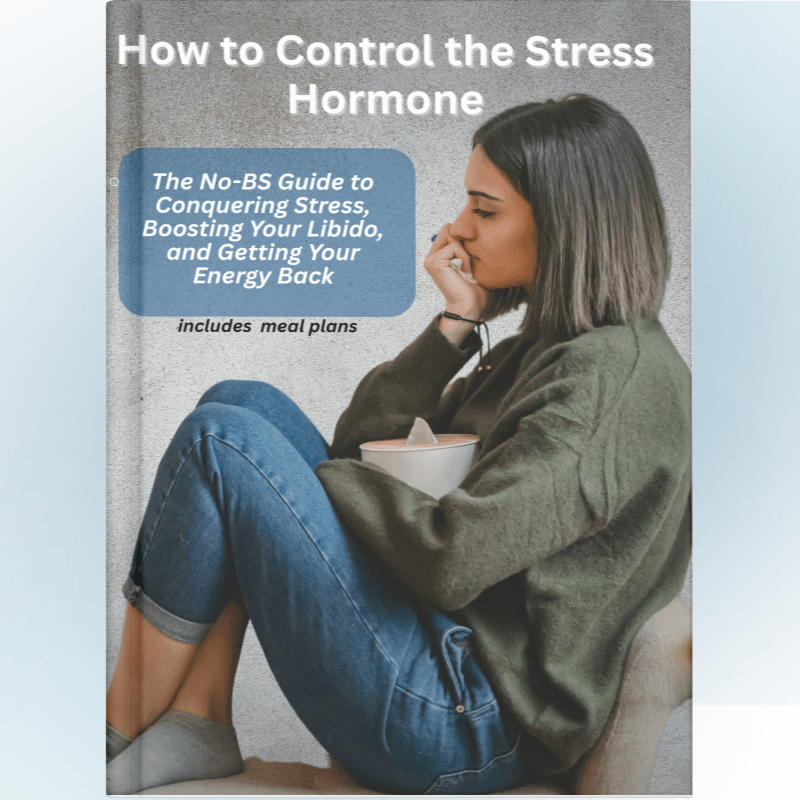
Reduce cortisol, you reduce stress
SHARE


Subscribe now.
Sign up for our newsletter to get the most interesting stories of the day straight to your inbox before everyone else
Created with ©systeme.io• Privacy policy • Terms of service